Hiking with a Twist: Ideas for a Hike That Won't Be Boring

Wandern muss nicht langweilig sein. Entdecke Ideen, wie aus einer einfachen Wanderung ein besonderes Erlebnis für Freunde, Familie oder Gruppen wird.

Wandern muss nicht nur aus Strecke bestehen

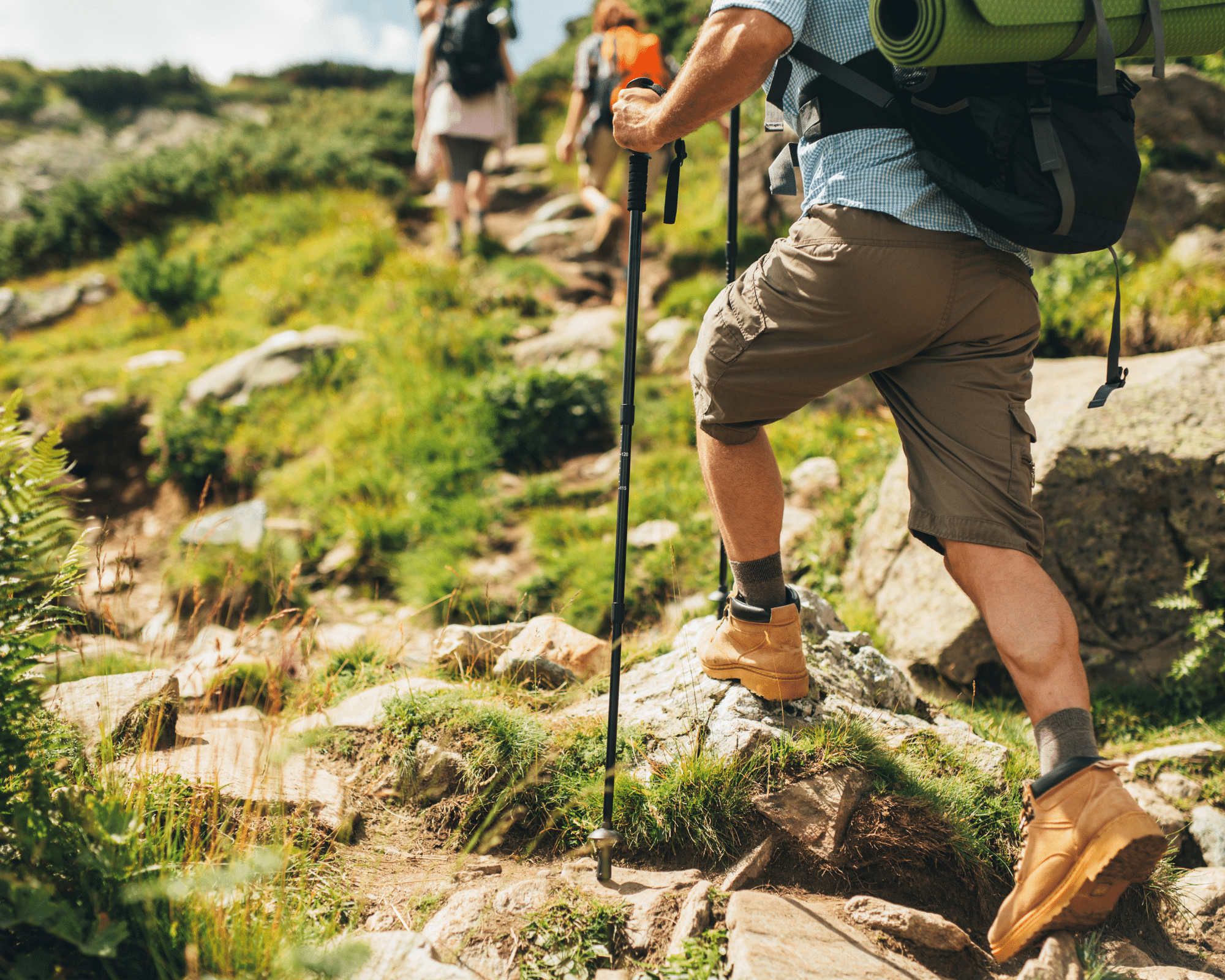
Wandern ist beliebt, weil es einfach ist: Man braucht nicht viel Ausrüstung, ist draußen unterwegs und kann gemeinsam Zeit verbringen. Trotzdem kennen viele das Problem: Nach einer Weile läuft man einfach nur noch nebeneinander her. Die Aussicht ist schön, aber die Gespräche werden weniger, die Motivation sinkt und irgendwann wartet man nur noch auf die nächste Pause.

Dabei kann Wandern viel mehr sein als von A nach B zu laufen. Mit der richtigen Idee wird aus einer normalen Wanderung ein gemeinsames Erlebnis, das auch Menschen begeistert, die sonst nicht sofort „Wandern!“ rufen würden.

Gerade für Freundesgruppen, Familien, Vereine, Geburtstage oder Teams lohnt es sich, eine Wanderung etwas anders zu denken.

Warum klassische Wanderungen für Gruppen manchmal schwierig sind

Eine Wanderung klingt erstmal unkompliziert. In der Praxis gibt es aber oft ein paar typische Probleme.

Nicht alle haben das gleiche Fitnesslevel. Einige möchten schnell gehen, andere lieber langsam. Manche wollen viele Kilometer machen, andere freuen sich eher auf die Einkehr. Für Kinder, Jugendliche oder Menschen, die selten wandern, kann eine reine Strecke schnell eintönig werden.

Dazu kommt: Wenn niemand die Route richtig plant, entstehen Unsicherheiten. Wo geht es lang? Wie weit ist es noch? Gibt es unterwegs Toiletten, Einkehrmöglichkeiten oder schöne Pausenplätze?

Eine gute Gruppenwanderung braucht deshalb mehr als einen Wanderweg. Sie braucht einen Rahmen, der Orientierung gibt und gleichzeitig flexibel bleibt.

Idee 1: Eine Wanderung mit kleinen Aufgaben verbinden

Eine einfache Möglichkeit gegen Langeweile sind kleine Aufgaben unterwegs. Das können Beobachtungsaufgaben, Fotomotive, kleine Suchaufträge oder Fragen zur Umgebung sein.

Beispiele:

  • Findet einen besonderen Aussichtspunkt.
  • Achtet auf bestimmte Schilder, Gebäude oder Naturdetails.
  • Macht an drei Stellen ein Gruppenfoto.
  • Sucht unterwegs einen Ort für eine gemeinsame Pause.
  • Verbindet die Route mit kleinen Fragen oder Rätseln.

Wichtig ist, dass die Aufgaben leicht verständlich sind und nicht den ganzen Tag dominieren. Sie sollen die Wanderung bereichern, nicht komplizierter machen.

Idee 2: Pausen bewusst einbauen

Viele unterschätzen, wie wichtig Pausen für eine gute Wanderung sind. Gerade bei Gruppen sind Pausen oft die besten Momente: Man kommt ins Gespräch, isst etwas, genießt die Umgebung und kann kurz durchatmen.

Eine Wanderung wird entspannter, wenn Pausen nicht als Unterbrechung gesehen werden, sondern als Teil des Erlebnisses. Besonders gut funktionieren Orte mit Aussicht, eine Hütte, ein Café, ein Picknickplatz oder ein Restaurant am Ende der Tour.

Wer mit unterschiedlichen Menschen unterwegs ist, sollte Pausen von Anfang an mitdenken. So bleibt die Stimmung besser und niemand hat das Gefühl, nur mithalten zu müssen.

Idee 3: Die Strecke flexibel planen

Nicht jede Gruppe braucht dieselbe Strecke. Manchmal passt eine kurze Runde besser, manchmal darf es länger sein. Wetter, Tagesform, Uhrzeit und Motivation spielen eine große Rolle.

Eine flexible Route ist deshalb oft besser als ein starrer Plan. Wenn die Gruppe Lust hat, kann man die Strecke erweitern. Wenn das Wetter umschlägt oder die Energie nachlässt, kann man sie verkürzen.

Besonders bei Gruppen mit Kindern, älteren Personen oder sehr unterschiedlichen Fitnesslevels ist Flexibilität ein echter Vorteil. So bleibt die Wanderung angenehm und wird nicht zur Belastung.

Idee 4: Wandern mit einer Geschichte verbinden

Eine Wanderung wird deutlich spannender, wenn sie einen roten Faden bekommt. Das kann eine kleine Geschichte sein, eine Mission, ein Thema oder ein Ziel, das unterwegs verfolgt wird.

Statt einfach nur zu sagen: „Wir laufen diese Runde“, kann die Wanderung eine Aufgabe bekommen. Zum Beispiel: Hinweise finden, Stationen entdecken, ein Rätsel lösen oder am Ende ein gemeinsames Ziel erreichen.

Das verändert die Wahrnehmung. Die Umgebung wird nicht nur Kulisse, sondern Teil des Erlebnisses. Man achtet mehr auf Details, spricht mehr miteinander und erlebt die Strecke bewusster.

Idee 5: Analog unterwegs sein

Viele Wanderungen werden heute komplett mit dem Handy geplant und navigiert. Das ist praktisch, aber es führt auch dazu, dass oft eine Person vorne auf den Bildschirm schaut und der Rest hinterherläuft.

Eine analoge Orientierung mit Karte, Hinweisen oder sichtbaren Orientierungspunkten kann eine Wanderung gemeinsamer machen. Die Gruppe schaut bewusster auf Wege, Schilder, Gebäude und Umgebung. Man entscheidet mehr zusammen und erlebt die Strecke aktiver.

Natürlich muss die Orientierung trotzdem sicher und verständlich bleiben. Aber gerade das bewusste Weglegen des Handys kann ein besonderer Teil des Erlebnisses sein.

Idee 6: Eine Wanderung für den Anlass passend machen

Eine Wanderung kann für viele Anlässe funktionieren, wenn sie richtig gestaltet ist.

Für eine Freundesgruppe darf sie locker, kommunikativ und nicht zu streng geplant sein.
Für einen Geburtstag kann sie mit einer Einkehr, kleinen Überraschungen oder persönlichen Momenten verbunden werden.
Für eine Familie ist wichtig, dass auch Kinder oder Jugendliche unterwegs etwas zu tun haben.
Für einen Verein sollte die Route gruppentauglich und gut organisierbar sein.
Für ein Team oder einen Betriebsausflug zählt, dass niemand ausgeschlossen wird und alle gemeinsam etwas erleben können.
Auch für einen entspannten JGA kann eine besondere Wanderung funktionieren, wenn sie nicht zu sportlich oder zu beliebig ist.

Der Anlass entscheidet also nicht nur über die Strecke, sondern auch über Tempo, Pausen, Aufgaben und Abschluss.

Idee 7: Wandern mit Rätseln kombinieren

Eine besonders abwechslungsreiche Möglichkeit ist eine Wanderung mit Rätseln. Dabei wird die Strecke durch Stationen, Hinweise oder Aufgaben ergänzt. Die Gruppe muss aufmerksam sein, kombinieren und gemeinsam Lösungen finden.

Das sorgt dafür, dass unterwegs immer wieder etwas passiert. Die Wanderung bekommt Struktur, ohne dass sie zu einem klassischen Wettbewerb werden muss.

Genau hier setzt ein OutdoorEscape an: Die Gruppe ist draußen unterwegs, folgt einer Geschichte und löst an verschiedenen Stationen Rätsel. Die Route kann je nach Standort und Konzept flexibel gestaltet werden. Pausen, Gespräche und gemeinsames Entdecken bleiben dabei ein wichtiger Teil des Tages.

So wird Wandern nicht ersetzt, sondern erweitert: Aus einer Strecke wird ein Erlebnis.

Worauf ihr bei einer besonderen Wanderung achten solltet

Damit die Wanderung gut funktioniert, helfen ein paar einfache Grundregeln.

Die Strecke sollte zur Gruppe passen. Lieber etwas kürzer planen und optional erweitern, als alle zu überfordern. Pausen sollten bewusst eingeplant werden. Auch die Startzeit ist wichtig, damit niemand gehetzt ankommt oder am Ende unter Zeitdruck steht.

Außerdem sollte klar sein, was die Gruppe erwartet: Wie lange dauert die Tour ungefähr? Wie viel Bewegung ist dabei? Gibt es Einkehrmöglichkeiten? Was passiert bei schlechtem Wetter?

Je besser der Rahmen ist, desto entspannter kann die Gruppe den Tag genießen.

Fazit: Eine gute Wanderung braucht Abwechslung, nicht unbedingt mehr Kilometer

Wandern wird dann besonders, wenn es mehr bietet als nur eine Strecke. Kleine Aufgaben, Rätsel, Pausen, flexible Routen und ein gemeinsames Ziel können aus einer einfachen Wanderung ein Erlebnis machen.

Gerade für Gruppen ist das entscheidend. Denn nicht alle wollen nur laufen. Viele möchten gemeinsam Zeit verbringen, etwas entdecken, lachen, reden und am Ende das Gefühl haben: Das war ein besonderer Tag.

Wer Wandern mal anders erleben möchte, sollte deshalb nicht nur auf die Kilometer schauen, sondern auf das, was unterwegs passiert.


Hiking doesn’t have to be boring. Discover ideas for turning a simple hike into a special experience for friends, family, or groups.

Hiking Doesn’t Have to Be Just About the Distance

Yet hiking can be so much more than just walking from point A to point B. With the right idea, an ordinary hike can become a shared experience that excites even people who wouldn’t immediately shout, “Let’s go hiking!”

It’s especially worth thinking outside the box when planning a hike for groups of friends, families, clubs, birthday parties, or teams.

Why Traditional Hikes Can Sometimes Be Challenging for Groups

At first glance, a hike sounds straightforward. In practice, however, there are often a few common problems.

Not everyone has the same fitness level. Some want to walk fast, while others prefer to take it slow. Some want to cover many kilometers, while others are more looking forward to stopping for a break. For children, teenagers, or people who rarely hike, a hike that’s just about covering distance can quickly become monotonous.

On top of that, if no one plans the route properly, uncertainties arise. Which way do we go? How much further is it? Are there restrooms, places to stop for refreshments, or nice spots to take a break along the way?

A good group hike therefore needs more than just a trail. It needs a framework that provides direction while remaining flexible.

Why Traditional Hikes Can Sometimes Be Challenging for Groups

At first glance, a hike seems straightforward. In practice, however, there are often a few common problems.

Not everyone is at the same fitness level. Some want to walk fast, while others prefer to take it slow. Some want to cover many kilometers, while others are more looking forward to stopping for a break. For children, teenagers, or people who rarely hike, a hike that’s just about covering distance can quickly become monotonous.

On top of that, if no one plans the route properly, uncertainties arise. Which way do we go? How much further is it? Are there restrooms, places to stop for a bite to eat, or nice spots to take a break along the way?

A good group hike therefore needs more than just a trail. It needs a framework that provides direction while remaining flexible.

Idea 1: Combine a hike with small tasks

A simple way to combat boredom is to set small tasks along the way. These can include observation exercises, photo opportunities, little scavenger hunts, or questions about the surroundings.

Examples:

  • Find a special viewpoint.
  • Look out for specific signs, buildings, or natural features.
  • Take a group photo at three different locations.
  • Find a spot along the way to take a break together.
  • Incorporate small questions or riddles into the route.

It’s important that the activities are easy to understand and don’t take up the whole day. They should enrich the hike, not make it more complicated.

Idea 2: Purposefully Plan Breaks

Many people underestimate how important breaks are for a good hike. Especially when hiking in a group, breaks are often the best moments: You strike up conversations, have a snack, enjoy the surroundings, and get a chance to catch your breath.

A hike becomes more relaxing when breaks aren’t seen as interruptions, but as part of the experience. Spots with a view, a cabin, a café, a picnic area, or a restaurant at the end of the hike work especially well.

If you’re hiking with a diverse group of people, you should plan for breaks right from the start. This helps keep the mood positive, and no one feels like they just have to keep up.

Idea 3: Plan the Route Flexibly

Not every group needs the same route. Sometimes a short loop works better; other times, a longer one is fine. The weather, how everyone is feeling that day, the time of day, and motivation all play a big role.

A flexible route is therefore often better than a rigid plan. If the group feels like it, you can extend the route. If the weather changes or energy levels drop, you can shorten it.

Flexibility is a real advantage, especially for groups with children, older adults, or people with very different fitness levels. This keeps the hike enjoyable and prevents it from becoming a chore.

Idea 4: Combine Hiking with a Story
A hike becomes much more exciting when it has a unifying theme. This could be a short story, a mission, a theme, or a goal to pursue along the way.

Instead of simply saying, “We’re going to walk this loop,” you can give the hike a task. For example: finding clues, discovering landmarks, solving a riddle, or reaching a shared goal at the end.

This changes your perspective. The surroundings become not just a backdrop, but part of the experience. You pay more attention to details, talk to each other more, and experience the route more fully.

Idea 4: Combine Hiking with a Story

A hike becomes much more exciting when it has a unifying theme. This could be a short story, a mission, a theme, or a goal to pursue along the way.

Instead of simply saying, “We’re going to walk this loop,” you can give the hike a task. For example: finding clues, discovering landmarks, solving a riddle, or reaching a shared goal at the end.

This changes your perspective. The surroundings become not just a backdrop, but part of the experience. You pay more attention to details, talk to each other more, and experience the route more fully.

Idea 5: Going Analog on the Trail

These days, many hikes are planned and navigated entirely using a cell phone. That’s convenient, but it often results in one person looking at the screen up front while the rest of the group trails behind.

Navigating the old-fashioned way—with a map, signs, or visible landmarks—can make a hike more of a shared experience. The group pays closer attention to trails, signs, buildings, and the surroundings. You make more decisions together and engage more actively with the route.

Of course, navigation still needs to be safe and easy to follow. But deliberately putting away your cell phone can be a special part of the experience.

Idea 6: Tailoring a Hike to the Occasion

A hike can work for many occasions if it’s planned correctly.

For a group of friends, it should be relaxed, social, and not too strictly planned.
For a birthday, it can include a stop for refreshments, small surprises, or personal moments.
For a family, it’s important that children and teens also have something to do along the way.
For a club, the route should be suitable for groups and easy to organize.
For a team or a company outing, it’s important that no one is left out and that everyone can share the experience together.
A special hike can also work for a relaxed bachelor/bachelorette party, as long as it’s not too strenuous or too random.

The occasion therefore determines not only the route, but also the pace, breaks, activities, and conclusion.

Idea 7: Combine Hiking with Puzzles

A particularly varied option is a hike with puzzles. The route is enhanced with stations, clues, or challenges. The group must pay close attention, think critically, and work together to find solutions.

This ensures that something is always happening along the way. The hike gains structure without having to turn into a traditional competition.

This is exactly where an OutdoorEscape comes in: The group is out and about, following a story and solving puzzles at various stations. The route can be flexibly designed depending on the location and concept. Breaks, conversations, and exploring together remain an important part of the day.

This way, hiking isn’t replaced but enhanced: A route becomes an experience.

What to Keep in Mind for a Special Hike

A few simple ground rules will help ensure the hike goes smoothly.

The route should be suitable for the group. It’s better to plan a slightly shorter hike with the option to extend it than to overwhelm everyone. Be sure to schedule breaks. The start time is also important so that no one arrives in a rush or feels rushed at the end.

It should also be clear what the group can expect: How long will the hike take, roughly? How much physical activity is involved? Are there places to stop for a break? What happens if the weather turns bad?

The better the planning, the more relaxed the group can be as they enjoy the day.

Conclusion: A good hike needs variety, not necessarily more kilometers

Hiking becomes special when it offers more than just a route. Small challenges, puzzles, breaks, flexible routes, and a shared goal can turn a simple hike into an experience.

This is especially crucial for groups. After all, not everyone just wants to walk. Many want to spend time together, discover something new, laugh, talk, and walk away feeling: “That was a special day.”

So if you want to experience hiking in a different way, don’t just focus on the kilometers—focus on what happens along the way.

Share this article

Facebook
LinkedIn
Pinterest
Telegram
WhatsApp
Email
X
Threads

TripEscape about outdoor getaways filled with heart, excitement, and special moments shared together. Rediscover Germany in a fun way and experience adventures you’ll never forget.

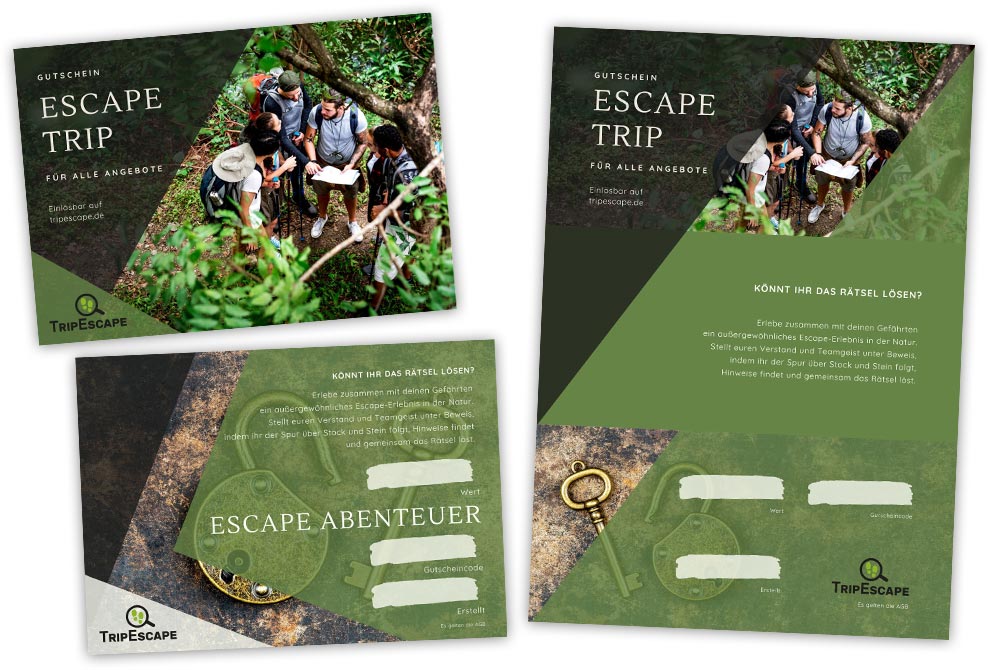
Have you checked out our gift certificates yet?